
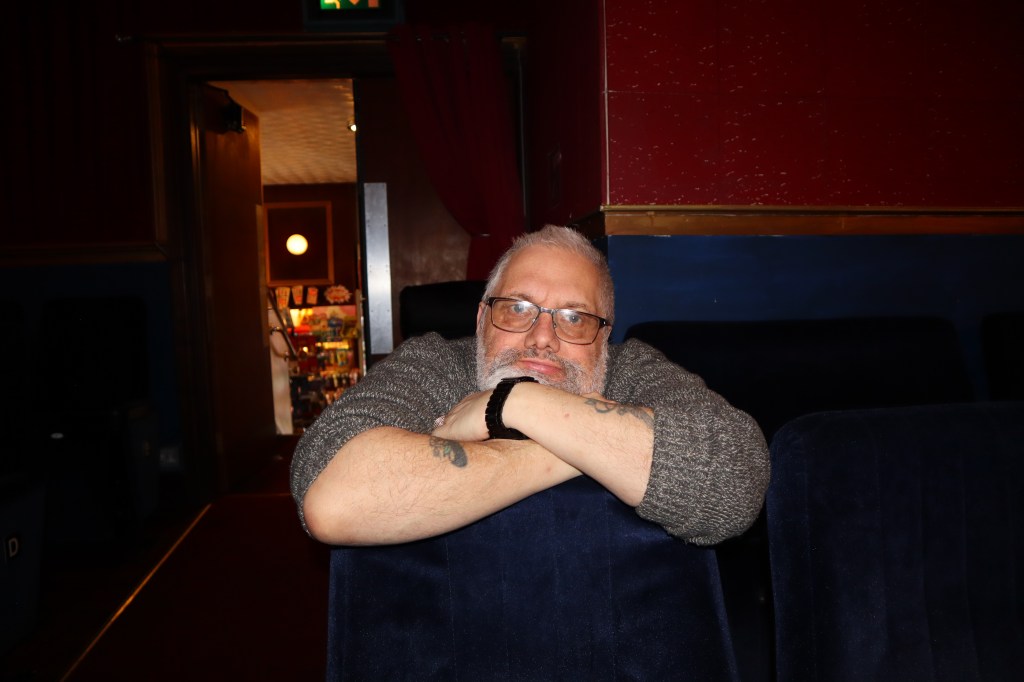
As independent cinemas struggle with audience numbers, we speak with cinema owner Marcus Earl about keeping the lights on and why he chose this life.
Many filmmakers vividly remember their childhood cinema and the film that inspired them to pursue their careers. For rising‑star director Lucia Diaz Gonzales, this was Gremlins (1984). Meanwhile, award‑winning production designer Simon Bowles felt called to the industry after working behind the projection booth of his local cinema.
These hubs are often ground zero for many UK filmmakers’ careers. However, a large number of independent cinemas have been struggling to survive. According to a survey by the ICO, 31% of independent cinema owners believe they will have to close if they do not access capital funding in the next three to five years. The most demanding costs for cinemas are upgrading equipment and interiors, with the majority needing new projectors, improved seating and sound systems.
What doesn’t help is the change in consumer habits. BFI’s annual statistics report shows that cinema admissions are 30% down from pre‑Covid levels. The pandemic saw a rise in streaming services and a decrease in people wanting to go out. The effects are still being felt by many businesses. For Loewen Cinema owner Marcus Earl, these challenges have demanded innovative solutions.
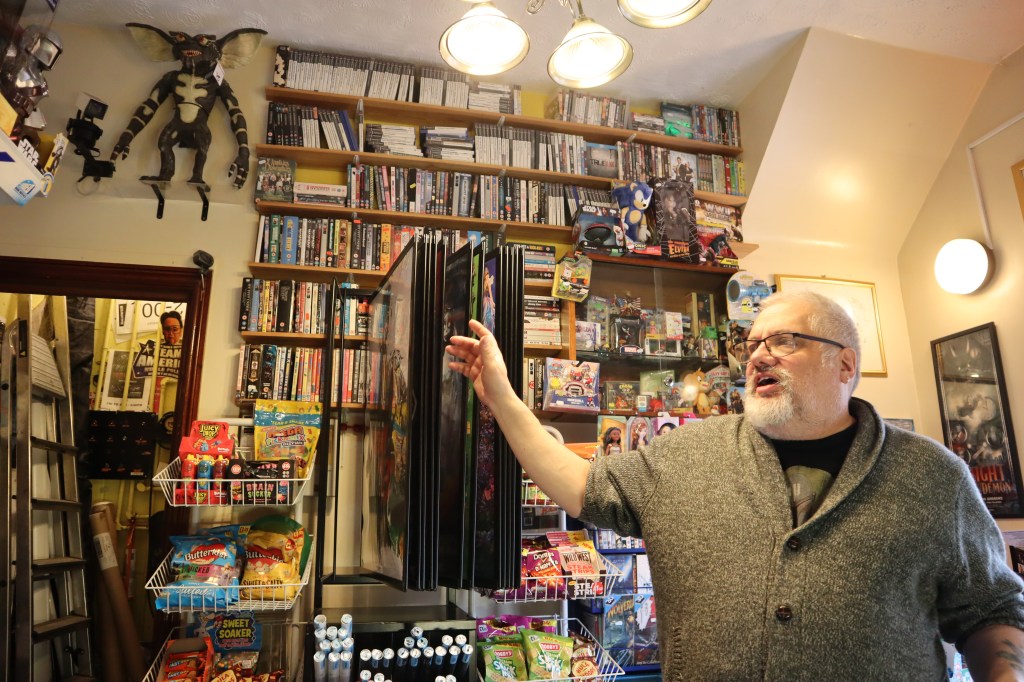
Located in the seaside town of Mablethorpe in Lincolnshire, Loewen Cinema is a museum of horror‑esque décor. Its walls are lined with murderous dolls from the likes of Chucky and memorabilia from Star Wars. However, it has a welcoming, grounded feel. Marcus said every décor decision is intentional, designed to transport audiences to a cinema from the pre‑2000s.
With tickets as low as £3.95, the cinema is a popular spot for locals and tourists alike. However, attracting customers in the winter has always been a challenge. Marcus said: “I can’t do it. And I never could do it. And it never can be done. This is the same everywhere unless you’re in a big city or something like that.
“So, what we had to do was afternoon tea shows. It burgeoned, and there was nobody else doing it. Then someone else did do it, which took it away from us a little bit. But, nevertheless, the afternoon tea shows are the things that keep the winter going.”
As to why he chose to run an independent cinema rather than a chain, Marcus said: “When you’re doing that, you’re just managing people and managing organisations as opposed to doing what I want to do, which is just run a little cinema.”
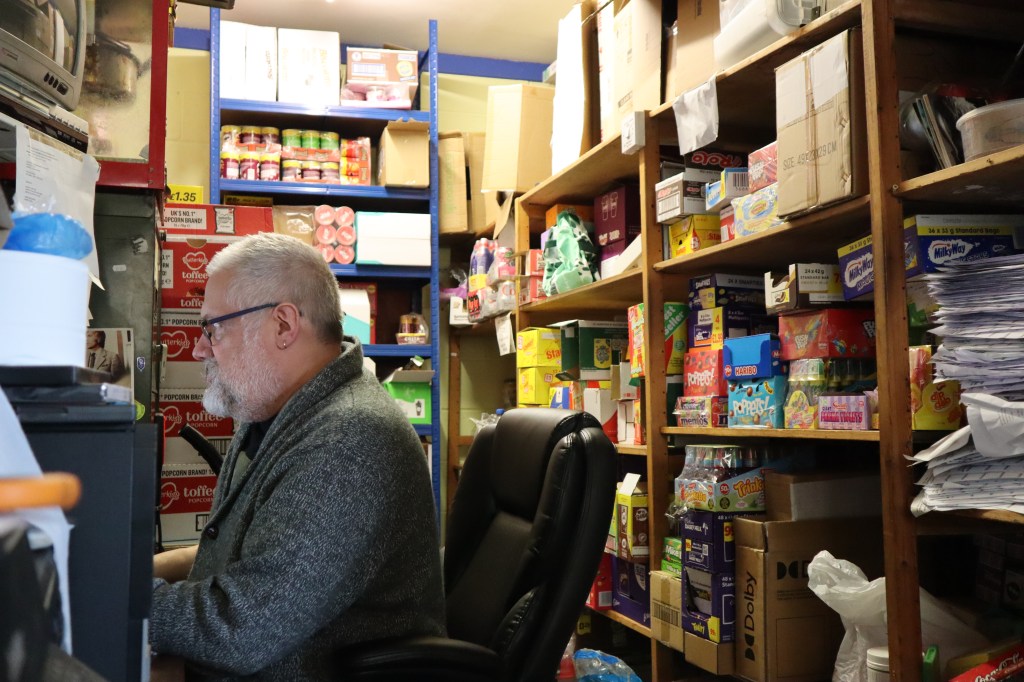
BFI (British Film Institute) have recently announced their three‑year funding plan, which seeks to help keep cinemas open through Open Cinemas and the FAN (Film Audience Network). According to the BFI, both will use National Lottery funding to provide increased access to independent cinemas.
Open Cinemas will book cinema screens every month in independent cinemas across the UK. The same film will screen in all participating cinemas at the same time “to create a regular national moment.” Meanwhile, the Film Audience Network will focus on supporting independent cinema owners by offering them funding and training courses.
For Marcus, his call to action (as it is called in screenwriting) was seeing Mary Poppins when he was five years old. He said: “I knew I wanted to run the cinema. The lights went down, and I know someone did it and I wanted to do that. [It] was the absolute inspiration.”
With fewer audiences over the winter months, passionate cinema owners like Marcus will benefit from additional funding from the BFI, which hopes to boost the industry with its Open Cinema and Film Audience Network schemes. With initiatives like these, those lights can stay on a little longer and encourage more film enthusiasts to support their local independent cinema.
Consider supporting independent cinemas by booking a ticket. For a list of independent cinemas, see the ICO’s interactive map, or search for independent cinemas near me.



 Prequel Magazine